
How to Get Used to CPAP Therapy
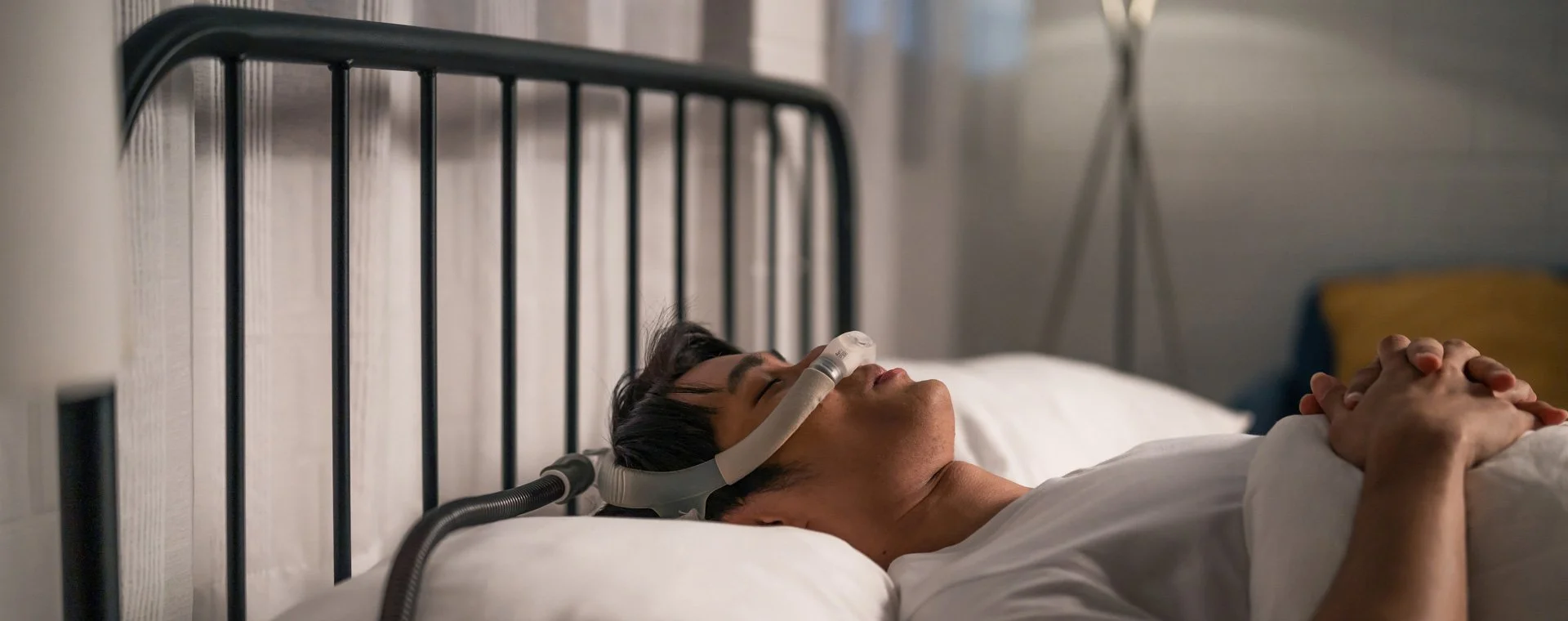
If you’ve been prescribed CPAP therapy, you might be feeling a mix of relief and hesitation.
On one hand, you have an answer to what’s been affecting your sleep. On the other, you may be wonderin if you’ll actually be able to get used to this.
This is one of the most common concerns people have—and it’s completely normal.
The good news is that while CPAP can feel unfamiliar at first, most people are able to adjust with time, support, and a few simple strategies.
Why CPAP Adjustment Takes Time
CPAP therapy introduces something new into your nightly routine:
Wearing a mask
Feeling airflow
Sleeping with equipment
Even though it’s designed to help, your body and mind need time to adapt.
This adjustment period is expected—not a sign that it isn’t working.
What Most People Experience at First
Many first-time users notice:
Awareness of the Mask
It can feel unusual to wear something on your face while trying to sleep.
Sensitivity to Airflow
The sensation of pressurized air may take time to get used to.
Interrupted Sleep Early On
It’s common to wake up more frequently in the beginning.
These experiences are temporary for most people and improve with consistency.
Tips to Help You Adjust to CPAP
There are several ways to make the transition smoother.
Start by Wearing It While Awake
Try wearing the mask for short periods during the day to get used to the sensation.
Use the Ramp Feature
Many machines gradually increase pressure, making it easier to fall asleep.
Focus on Consistency
Using CPAP every night—even for shorter periods—helps your body adjust faster.
Create a Comfortable Setup
Make sure your mask fits properly and your sleeping environment is supportive.
Finding the Right Mask Makes a Big Difference
One of the most important factors in comfort is mask fit.
Nasal Masks
Good for those who primarily breathe through the nose.
Nasal Pillow Masks
Smaller and less intrusive.
Full Face Masks
Helpful for mouth breathers.
If something doesn’t feel right, adjustments can often be made. Small changes can make a big difference.
Common Challenges (and How to Address Them)
Most CPAP concerns are solvable with simple adjustments.
Dryness or Irritation
Humidifiers can help add moisture to the air.
Air Leaks
Adjusting the mask fit or trying a different style can improve seal.
Feeling Claustrophobic
Starting slowly and building tolerance can help reduce this feeling.
Why Sticking With It Matters
It can be tempting to stop using CPAP early if it feels uncomfortable.
But consistency is key.
When used regularly, CPAP can lead to:
Better sleep quality
Increased energy
Improved focus
Reduced health risks
Learn more about the impact of untreated sleep apnea here
Many people who stick with CPAP notice significant improvements within weeks.
What If CPAP Still Doesn’t Feel Right?
If CPAP continues to feel difficult even after adjustments, you still have options.
Learn more about alternatives to CPAP here
Treatment should be something that works for you—not something you struggle through.
How Long Does It Take to Adjust?
Adjustment timelines vary.
First Few Nights
May feel unfamiliar or slightly uncomfortable.
First Few Weeks
Most people begin to notice improvement in comfort.
Long-Term Use
CPAP becomes part of a normal routine.
Consistency plays a major role in how quickly you adapt.
When to Ask for Help
You don’t have to figure this out alone.
You should reach out for support if:
The mask feels uncomfortable
You’re not sleeping well with CPAP
You’re unsure how to adjust settings
Small adjustments early can make a big difference.
Take the Next Step Toward Better Sleep
If you’re preparing for CPAP—or wondering whether treatment is needed—the first step is understanding your risk.
This content is for informational purposes only and should not be considered medical advice. Please consult a qualified healthcare provider for diagnosis and treatment decisions.