
What is CPAP Therapy and How Does it Work?
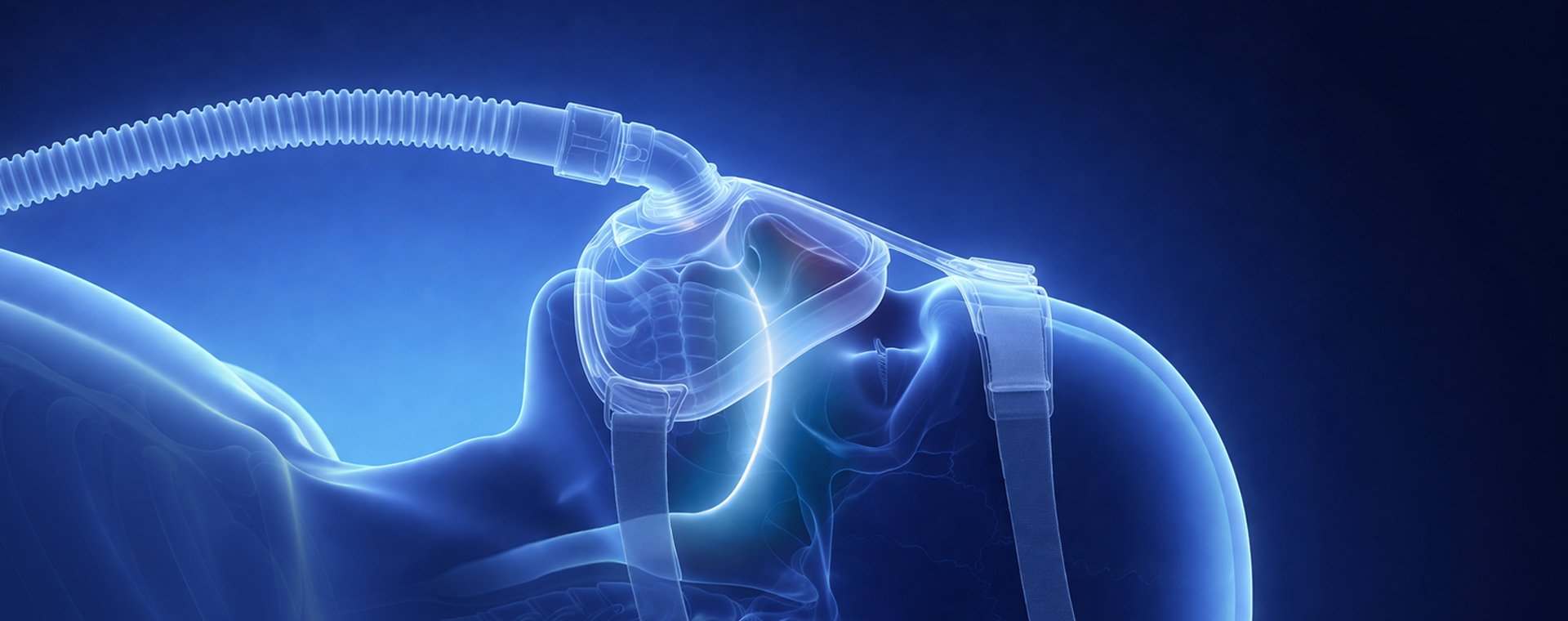
If you’ve been diagnosed with sleep apnea—or are exploring treatment options—you’ve likely heard of CPAP therapy.
For many people, CPAP is the most commonly recommended treatment. But if you’re new to it, it can raise a lot of questions:
What is it? How does it work? And what does it actually feel like to use?
Understanding the basics of CPAP therapy can help you feel more informed and confident about your next steps.
What Is CPAP Therapy?
CPAP stands for Continuous Positive Airway Pressure.
It’s a treatment that uses a small machine to deliver a steady stream of air through a mask worn during sleep.
This airflow helps keep the airway open, preventing the breathing interruptions that occur with sleep apnea.
Instead of allowing the airway to collapse, CPAP provides gentle pressure that supports normal breathing throughout the night.
Why CPAP Is Used to Treat Sleep Apnea
In obstructive sleep apnea, the airway becomes partially or fully blocked during sleep.
This can lead to:
Pauses in breathing
Drops in oxygen levels
Frequent awakenings
CPAP works by preventing these blockages from occurring in the first place.
By keeping the airway open, it helps restore:
Consistent breathing
Stable oxygen levels
More continuous sleep
If you’re unsure whether sleep apnea may be affecting you, it may help to review the most common symptoms.
How CPAP Therapy Works
CPAP therapy is designed to be simple and consistent.
Air Pressure Support
The machine delivers a steady stream of air at a prescribed pressure level.
Airway Stabilization
This airflow prevents the airway from collapsing during sleep.
Continuous Breathing
With the airway open, breathing remains steady and uninterrupted.
Over time, this allows your body to return to normal sleep cycles.
What the Equipment Looks Like
A CPAP setup typically includes three main components.
The CPAP Machine
A small bedside device that generates airflow.
The Mask
Worn over the nose or mouth to deliver air during sleep.
The Tubing
Connects the machine to the mask.
Some machines also include features like humidification to improve comfort.
Types of CPAP Masks
Masks come in several styles, and finding the right fit can make a big difference.
Nasal Masks
Cover the nose and are commonly used.
Nasal Pillow Masks
Sit just at the nostrils and are more minimal.
Full Face Masks
Cover both the nose and mouth, often used for mouth breathers.
Comfort and fit are important factors, and adjustments can usually be made over time.
What It Feels Like to Use CPAP
For first-time users, CPAP can feel unfamiliar.
You may notice:
The sensation of airflow
Wearing a mask during sleep
Adjusting to new equipment
Most people go through an adjustment period, but many find that it becomes more comfortable with consistent use.
Benefits of CPAP Therapy
When used consistently, CPAP therapy can lead to meaningful improvements.
Better Sleep Quality
Fewer interruptions during the night allow for deeper, more restorative sleep.
Increased Daytime Energy
Many people notice reduced fatigue and improved alertness.
Improved Focus and Mood
Better sleep can support mental clarity and emotional well-being.
Reduced Health Risks
Treating sleep apnea may help reduce the risk of long-term health complications.
Learn more about the impact of untreated sleep apnea here.
Common Challenges (and How They’re Addressed)
It’s normal to have concerns about CPAP therapy.
Mask Discomfort
Adjusting mask type or fit can improve comfort.
Dryness or Irritation
Humidifiers and adjustments can help reduce dryness.
Difficulty Adjusting to Airflow
Many machines include ramp features that gradually increase pressure.
Most challenges can be addressed with small adjustments and support.
Is CPAP the Only Option?
CPAP is often the first-line treatment, but it’s not the only option.
Some people explore alternatives depending on their needs and preferences.
The best approach depends on your diagnosis, symptoms, and comfort level.
When CPAP Is Recommended
CPAP is commonly recommended when:
Sleep apnea is moderate to severe
Symptoms are significantly affecting daily life
A sleep study confirms breathing disruptions
If you haven’t been tested yet, the first step is confirming whether sleep apnea is present.
Frequently Asked Questions
Do I have to use CPAP every night?
Consistent use is important for getting the full benefit of therapy.
Is CPAP difficult to get used to?
There is often an adjustment period, but many people adapt over time.
Will CPAP cure sleep apnea?
CPAP manages sleep apnea while in use but does not eliminate the underlying condition.
Take the Next Step Toward Better Sleep
If you’re exploring CPAP therapy—or wondering whether treatment is needed—the most important first step is understanding your risk.
The good news: there’s a simple screening tool used by sleep health experts that can help.
This content is for informational purposes only and should not be considered medical advice. Please consult a qualified healthcare provider for diagnosis and treatment decisions.