
Sleep Apnea Symptoms: 15 Signs You Should Never Ignore
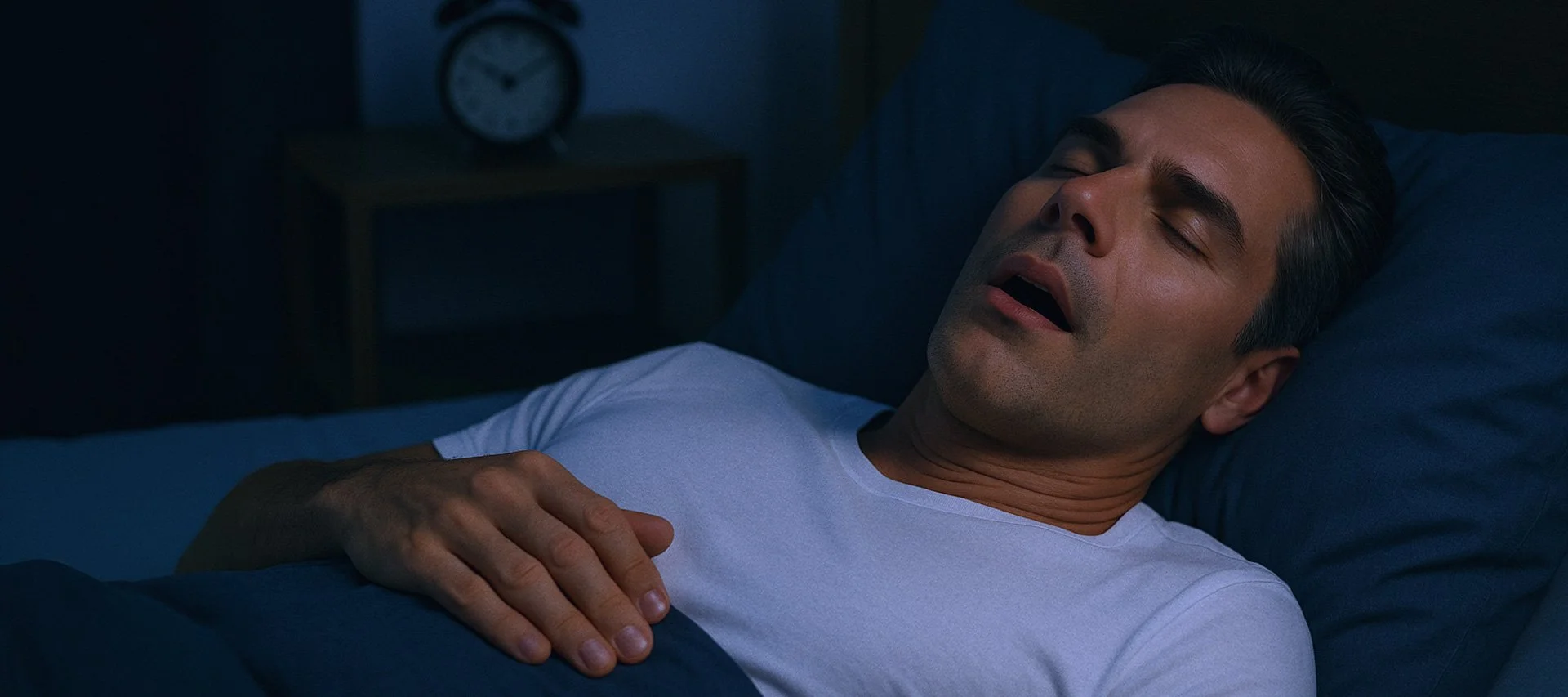
Sleep apnea is one of the most common yet underdiagnosed sleep disorders in the United States. Millions of people experience symptoms without realizing their sleep is being disrupted night after night.
Because many of the signs develop gradually, they’re often attributed to stress, aging, or simply “not sleeping well.” But untreated sleep apnea can have serious consequences, including increased risk of heart disease, stroke, diabetes, and cognitive decline.
Recognizing the symptoms early is the first step toward better sleep—and better overall health.
What Is Sleep Apnea?
Sleep apnea is a condition in which breathing repeatedly stops and starts during sleep. These interruptions can last anywhere from a few seconds to over a minute and may occur dozens—or even hundreds—of times per night.
Each time breathing pauses, the brain briefly wakes the body to restore airflow. Most people don’t remember these awakenings, but they prevent the body from reaching deep, restorative sleep.
The most common form is obstructive sleep apnea (OSA), which occurs when the airway becomes partially or fully blocked during sleep. A less common form, central sleep apnea (CSA), involves a breakdown in the brain’s signaling to breathe.
Why Sleep Apnea Often Goes Unnoticed
One of the challenges with sleep apnea is that many symptoms happen during sleep. In many cases, a partner or family member is the first to notice something is wrong.
Even daytime symptoms can be misleading. Fatigue, poor focus, and mood changes are often blamed on busy schedules or stress.
Because of this, a large percentage of people with sleep apnea remain undiagnosed—sometimes for years.
The 15 Most Common Sleep Apnea Symptoms
Sleep apnea affects both your nights and your days. Below are the most common signs to watch for.
1. Loud, Persistent Snoring
Snoring occurs when airflow is partially blocked, causing throat tissues to vibrate. While not all snoring indicates sleep apnea, loud and frequent snoring—especially when paired with other symptoms—can be a warning sign.
2. Pauses in Breathing During Sleep
A defining feature of sleep apnea is repeated interruptions in breathing. These pauses are often noticed by a partner rather than the person experiencing them.
3. Waking Up Gasping or Choking
Many people with sleep apnea experience sudden awakenings where they feel like they can’t breathe. This is the body reacting to low oxygen levels.
4. Excessive Daytime Sleepiness
Even after a full night in bed, people with sleep apnea often feel exhausted. This is because their sleep is constantly interrupted.
5. Morning Headaches
Headaches upon waking are a common symptom and are believed to be linked to changes in oxygen and carbon dioxide levels during sleep.
6. Dry Mouth or Sore Throat
Waking up with a dry mouth can be a sign of mouth breathing, which often occurs when the airway is obstructed.
7. Difficulty Concentrating
Poor sleep quality can affect memory, focus, and mental clarity throughout the day.
8. Mood Changes
Sleep apnea is associated with irritability, anxiety, and depression. Many people notice their mood improves once their sleep improves.
9. Poor Sleep Quality
Even if you spend enough time in bed, sleep may feel restless and unrefreshing.
10. Restless Sleep or Frequent Movement
Tossing and turning during the night may be your body’s way of responding to disrupted breathing.
11. Frequent Nighttime Urination
Waking up multiple times to use the bathroom can be linked to hormonal changes caused by sleep apnea.
12. Night Sweating
Some people experience excessive sweating during sleep due to stress on the body from breathing interruptions.
13. Difficulty Staying Asleep
Frequent awakenings can make it hard to stay asleep, even if you fall asleep easily.
14. Reduced Libido
Chronic fatigue and hormonal disruption may lead to decreased interest in sex.
15. Memory Problems or Brain Fog
Over time, disrupted sleep can affect memory, decision-making, and overall mental performance.
What These Symptoms Can Feel Like During the Day
While many symptoms occur at night, the effects are often most noticeable during the day.
You might feel:
Constantly tired, even after sleeping
Low energy or motivation
Easily distracted
Irritable or emotionally drained
In more severe cases, people may even experience brief “microsleep” episodes—momentary lapses in attention that can be dangerous, especially while driving.
When to Consider Getting Evaluated
If you recognize several of these symptoms—especially in combination—it may be time to take a closer look at your sleep health.
You should consider speaking with a healthcare provider if you experience:
Loud, ongoing snoring
Gasping or choking during sleep
Persistent daytime fatigue
Morning headaches
Difficulty concentrating
If a partner has observed breathing pauses, it’s especially important to seek evaluation.
How Sleep Apnea Is Diagnosed
Sleep apnea is typically diagnosed through a sleep study that monitors breathing, oxygen levels, and sleep patterns.
Many people now begin with a home sleep apnea test, which allows you to evaluate your sleep in your own bed using a portable device.
Treatment Can Make a Meaningful Difference
The good news is that sleep apnea is highly treatable.
Common treatment options include CPAP therapy, oral appliances, and lifestyle adjustments such as weight management and sleep positioning.
For many people, treatment leads to:
Better sleep quality
Increased energy
Improved mood
Reduced long-term health risks
Take the Next Step Toward Better Sleep
If these symptoms sound familiar, you’re not alone—and you don’t have to guess.
Evaluating your sleep health is the first step toward better nights and better days.
The good news: There’s a simple screening tool used by the sleep health experts that can help determine if you are at risk for sleep apnea.
This content is for informational purposes only and should not be considered medical advice. Please consult a qualified healthcare provider for diagnosis and treatment decisions.