
How to Know if You Have Sleep Apnea
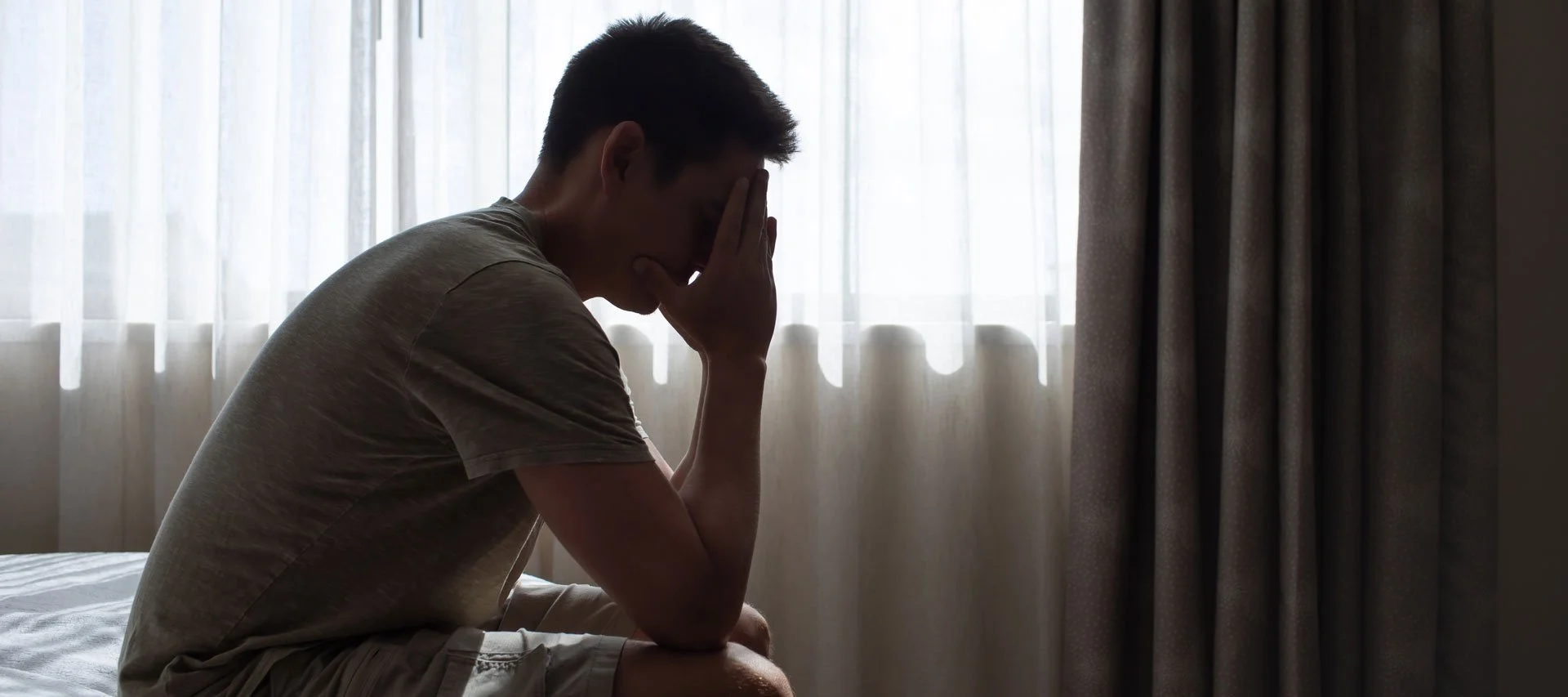
Many people live with sleep apnea for years without realizing it.
Because the symptoms often develop gradually—and many occur during sleep—it’s easy to dismiss them as normal or unrelated. You might assume you’re just tired, stressed, or not sleeping well.
But if your sleep is consistently disrupted, your body may be trying to tell you something.
Understanding how to recognize the signs of sleep apnea is the first step toward better sleep and better overall health.
What Is Sleep Apnea?
Sleep apnea is a condition in which breathing repeatedly stops and starts during sleep. These pauses can last anywhere from a few seconds to over a minute and may occur dozens—or even hundreds—of times per night.
Each time breathing stops, the brain briefly wakes the body to restore airflow. Most people don’t remember these awakenings, but they interrupt the natural sleep cycle and prevent deep, restorative sleep.
The most common form is obstructive sleep apnea (OSA), which occurs when the airway becomes blocked during sleep. A less common form, central sleep apnea (CSA), occurs when the brain does not send proper signals to control breathing.
Why Many People Don’t Know They Have Sleep Apnea
One of the biggest challenges with sleep apnea is that the most noticeable symptoms happen while you’re asleep.
In many cases, it’s a partner or family member who first notices:
Loud snoring
Pauses in breathing
Gasping or choking during sleep
Even daytime symptoms can be misleading. Fatigue, brain fog, and mood changes are often attributed to stress or a busy lifestyle.
Because of this, a large percentage of people with sleep apnea remain undiagnosed.
Common Symptoms of Sleep Apnea
Sleep apnea affects both nighttime breathing and daytime functioning. Some of the most common symptoms include:
Loud Snoring
Frequent, loud snoring is one of the most recognizable signs, especially when it occurs most nights.
Breathing Pauses During Sleep
A defining feature of sleep apnea is repeated interruptions in breathing. These are often observed by someone else.
Daytime Fatigue
Feeling tired throughout the day—even after a full night of sleep—is a key indicator.
Morning Headaches
Waking up with headaches may be linked to changes in oxygen levels during sleep.
Dry Mouth or Sore Throat
Mouth breathing during sleep can lead to dryness or irritation upon waking.
If you’re noticing several of these symptoms, it may be helpful to review a more detailed breakdown of sleep apnea symptoms.
Risk Factors for Sleep Apnea
Certain factors increase the likelihood of developing sleep apnea.
These include:
Excess body weight
Older age
Family history
Larger neck circumference
Alcohol use (especially in the evening)
Having one or more of these risk factors doesn’t guarantee sleep apnea—but it can increase the likelihood.
A Simple Sleep Apnea Self-Assessment
If you’re unsure whether sleep apnea may be affecting you, asking a few simple questions can help:
Do you snore loudly or frequently?
Do you feel tired during the day?
Has anyone noticed pauses in your breathing while you sleep?
Do you wake up with headaches or dry mouth?
Do you have trouble concentrating or staying focused?
If you answered “yes” to several of these, it may be worth taking a closer look at your sleep health.
You can also use our quick, evidence-based screening tool.
When to See a Doctor
You should consider speaking with a healthcare provider if you experience:
Persistent daytime fatigue
Loud, ongoing snoring
Gasping or choking during sleep
Difficulty concentrating
Morning headaches
If a partner has observed breathing pauses, it’s especially important to seek evaluation.
How Sleep Apnea Is Diagnosed
Sleep apnea is diagnosed using a sleep study that monitors breathing, oxygen levels, and sleep patterns.
Many people begin with a home sleep apnea test, which allows them to evaluate their sleep in their own bed.
This can be a convenient first step in understanding what’s happening during your sleep.
Home Sleep Tests vs Sleep Labs
There are two primary ways to diagnose sleep apnea:
Home Sleep Test
Conducted in your own bed
Uses a portable device
Convenient and widely accessible
Sleep Lab Study
Conducted in a clinical setting
Monitors more detailed sleep data
Used for more complex cases
For many people with suspected obstructive sleep apnea, a home sleep test is an effective starting point.
What Happens After Diagnosis
If sleep apnea is diagnosed, the next step is determining the most appropriate treatment.
Treatment may include:
CPAP therapy
Oral appliances
Lifestyle changes
If left untreated, sleep apnea can contribute to long-term health risks.
The good news is that treatment is often highly effective, and many people experience significant improvements in sleep and energy.
Frequently Asked Questions
Can you have sleep apnea without snoring?
Yes. While snoring is common, some people experience sleep apnea without it.
How many symptoms indicate sleep apnea?
There is no exact number, but having multiple symptoms increases the likelihood.
Can sleep apnea cause headaches?
Yes. Morning headaches are a common symptom due to oxygen fluctuations during sleep.
Take the Next Step Toward Better Sleep
If you’re wondering whether sleep apnea may be affecting you, the most important step is understanding your risk.
The good news: there’s a simple screening tool used by sleep health experts that can help determine whether you may have sleep apnea.
This content is for informational purposes only and should not be considered medical advice. Please consult a qualified healthcare provider for diagnosis and treatment decisions.