
10 Warning Signs of Sleep Apnea
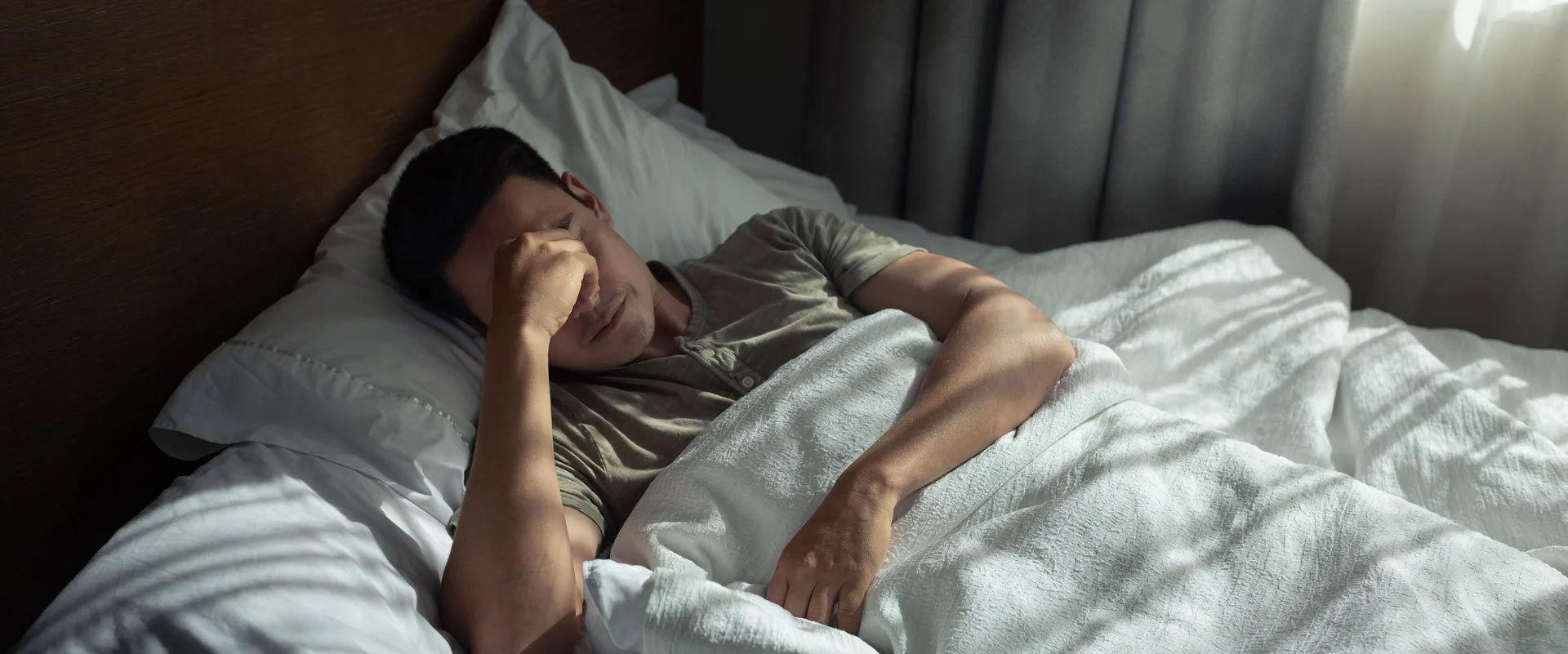
Sleep apnea often develops gradually, making it easy to overlook the early signs.
You might feel a little more tired than usual, have trouble concentrating, or hear that you snore—but it doesn’t always feel serious.
The challenge is that many of the most important symptoms happen during sleep, which means you may not notice them at all.
Recognizing the warning signs early can help you take the next step toward better sleep—and better long-term health.
Why Early Detection Matters
Sleep apnea is more than just poor sleep. When left untreated, it can affect your energy, focus, and overall health.
Over time, untreated sleep apnea has been linked to:
High blood pressure
Heart disease
Stroke
Diabetes
Learn more about the risks of untreated sleep apnea here.
The sooner sleep apnea is identified, the sooner it can be treated—and the sooner you can start feeling better.
The 10 Warning Signs of Sleep Apnea
Below are some of the most common signs to watch for. Experiencing one doesn’t necessarily mean you have sleep apnea—but noticing several may be a reason to take a closer look.
1. Loud, Frequent Snoring
Snoring is one of the most recognizable signs of sleep apnea. It occurs when airflow is partially blocked, causing tissues in the throat to vibrate.
2. Pauses in Breathing During Sleep
A key indicator of sleep apnea is repeated interruptions in breathing. These pauses are often noticed by a partner.
3. Waking Up Gasping or Choking
Sudden awakenings with a sensation of choking or gasping may occur when the body reacts to low oxygen levels.
4. Excessive Daytime Sleepiness
Feeling tired during the day—even after what seems like a full night of sleep—is a common symptom.
5. Morning Headaches
Frequent headaches upon waking may be linked to changes in oxygen levels during sleep.
6. Dry Mouth or Sore Throat
Waking up with dryness or irritation can be a sign of mouth breathing overnight.
7. Difficulty Concentrating
Sleep disruption can affect memory, focus, and overall cognitive function.
8. Mood Changes
Irritability, anxiety, or low mood may be connected to poor sleep quality.
9. Restless or Poor-Quality Sleep
Tossing and turning or waking up frequently can indicate disrupted breathing during sleep.
10. Frequent Nighttime Urination
Waking up multiple times during the night may be associated with sleep apnea-related changes in the body.
When These Signs Start to Add Up
It’s not just one symptom that matters—it’s the pattern.
If you’re experiencing several of these signs together, it may indicate that your sleep is being disrupted more than you realize.
For a more detailed breakdown of symptoms, including how they differ between individuals, see our full guide to sleep apnea symptoms.
What Causes These Symptoms?
Most cases of sleep apnea are caused by a physical blockage of the airway during sleep.
As the muscles in the throat relax:
The airway narrows or collapses
Airflow becomes restricted
Breathing may stop temporarily
This leads to repeated awakenings and disrupted sleep cycles.
Who Should Consider Getting Tested
You may want to consider evaluation if:
You snore regularly
You feel tired during the day
Someone has noticed pauses in your breathing
You experience multiple symptoms listed above
Even mild symptoms can be worth investigating, especially if they persist over time.
How Sleep Apnea Is Diagnosed
Sleep apnea is typically diagnosed through a sleep study that monitors breathing, oxygen levels, and sleep patterns.
Many people begin with a home sleep apnea test, which allows them to evaluate their sleep in their own bed.
What Happens After Diagnosis
If sleep apnea is diagnosed, treatment may include:
CPAP therapy
Oral appliances
Lifestyle changes
The goal of treatment is to keep the airway open during sleep and restore normal breathing patterns.
Many patients notice improvements in:
Energy levels
Focus
Mood
Sleep quality
Frequently Asked Questions
Is snoring always a sign of sleep apnea?
Not always, but loud and frequent snoring—especially when combined with other symptoms—can be a warning sign.
Can sleep apnea go unnoticed?
Yes. Many symptoms occur during sleep, making them easy to miss.
How do I know if I should get tested?
If you experience multiple symptoms or feel consistently tired, it may be worth evaluating your sleep.
Take the Next Step Toward Better Sleep
If these warning signs sound familiar, the next step is understanding your risk.
The good news: there’s a simple screening tool used by sleep health experts that can help determine whether you may have sleep apnea.
This content is for informational purposes only and should not be considered medical advice. Please consult a qualified healthcare provider for diagnosis and treatment decisions.