
Obstructive sleep apnea (OSA) is a common condition, and positive airway pressure (PAP) is the standard therapy; however, its effectiveness depends on adherence. Remote patient monitoring (RPM) may improve PAP adherence, but evidence remains limited.
Read MoreIf you’ve been experiencing symptoms like snoring, fatigue, or poor sleep, you may be wondering:

Do I actually need a sleep apnea test?
It’s a common question—and an important one.
Sleep apnea often goes undiagnosed, even when symptoms are present. At the same time, not every sleep issue…
Read MoreSleep apnea is often thought of as a sleep disorder, but its effects extend far beyond how well you rest at night.
Over time, untreated sleep apnea can impact the cardiovascular and nervous systems—including increasing the risk of stroke.
Understanding this connection can help you recognize why…
Read MoreSleep apnea and diabetes are two common health conditions that often occur together.
While they may seem unrelated at first, research has shown a strong connection between disrupted sleep and how the body regulates blood sugar.
If you’ve been diagnosed with diabetes—or are concerned about your risk—your sleep health may be an important piece of the picture…
Read MoreSleep apnea and high blood pressure are closely connected—but many people don’t realize how much one can affect the other.
If you’ve been diagnosed with high blood pressure—or are struggling to manage it—it may be worth looking at your sleep.
Sleep apnea can contribute to elevated blood pressure over time, especially when
Read MoreIf you’ve been diagnosed with sleep apnea—or are considering treatment—you may be wondering:
How long will it take before I start feeling better?
It’s a common and important question.
The answer depends on several factors, including the severity of your condition, the type of treatment you use, and…
Read MoreIf you’ve been prescribed CPAP therapy, you might be feeling a mix of relief and hesitation.
On one hand, you have an answer to what’s been affecting your sleep. On the other, you may be wonderin if you’ll actually be able to get used to this.
This is one of the most common concerns people have—and it’s completely normal.
The good news is that…
Read MoreIf you’re new to CPAP therapy, it can raise a lot of questions:
What is it? How does it work? And what does it actually feel like to use?
Understanding the basics of CPAP therapy can help you feel more informed and confident about your next steps…
Read MoreFor many people, the idea of spending a night in a clinical setting can feel inconvenient or unfamiliar.
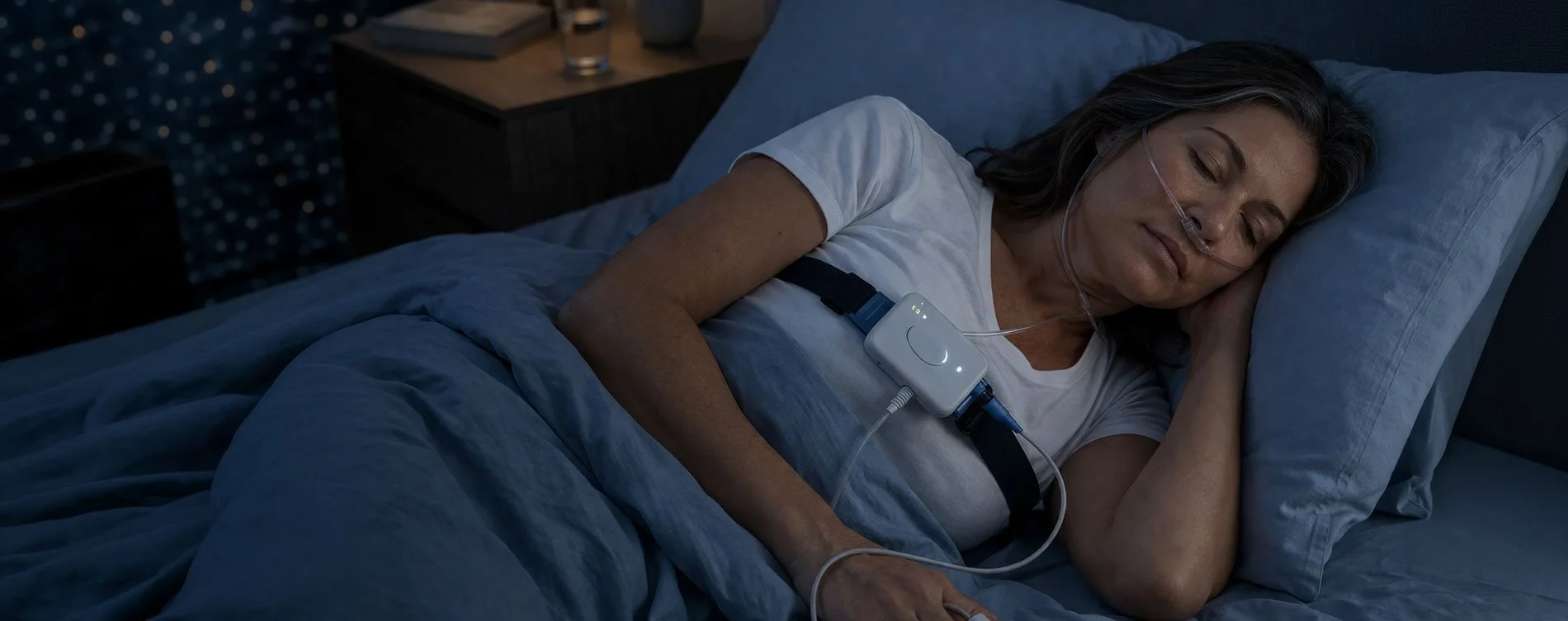
The good news is that, in many cases, sleep apnea can be evaluated without an overnight stay in a sleep lab.
Understanding your options can help you take the next step with confidence…
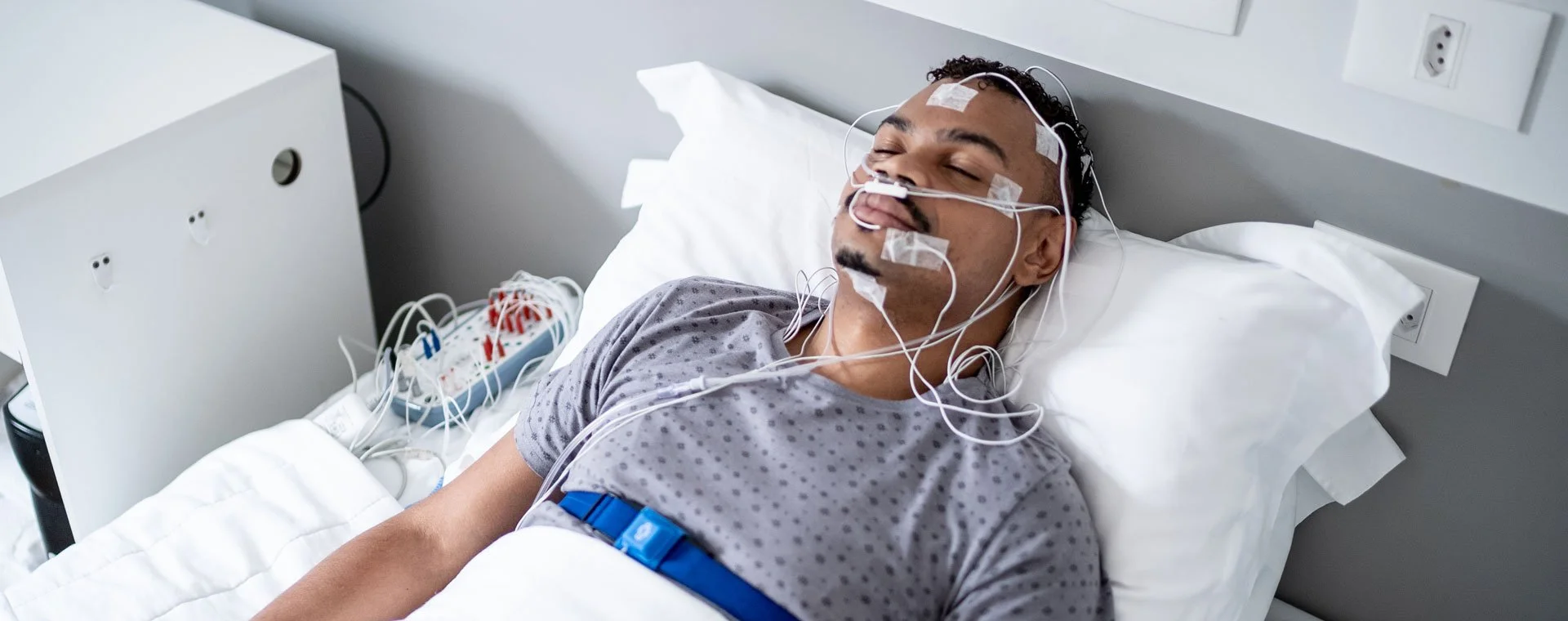
Read MoreIf you’ve been advised to get tested for sleep apnea, you might be wondering what actually happens during a sleep study.
For many people, the unknown is the biggest source of hesitation. Will it be uncomfortable? Will you be able to sleep? What exactly are they measuring?
The good news is that sleep studies are designed to be…
Read MoreIf you’re considering getting tested for sleep apnea, one of the first questions that comes up is: How much is this going to cost? It’s a reasonable question—but the answer isn’t always straightforward. The cost of sleep apnea testing can vary depending on…
Read MoreIf you’re considering getting tested for sleep apnea, you may have come across two main options:
A home sleep apnea test
An in-lab sleep study
At first glance, they can seem similar—but they serve slightly different purposes…
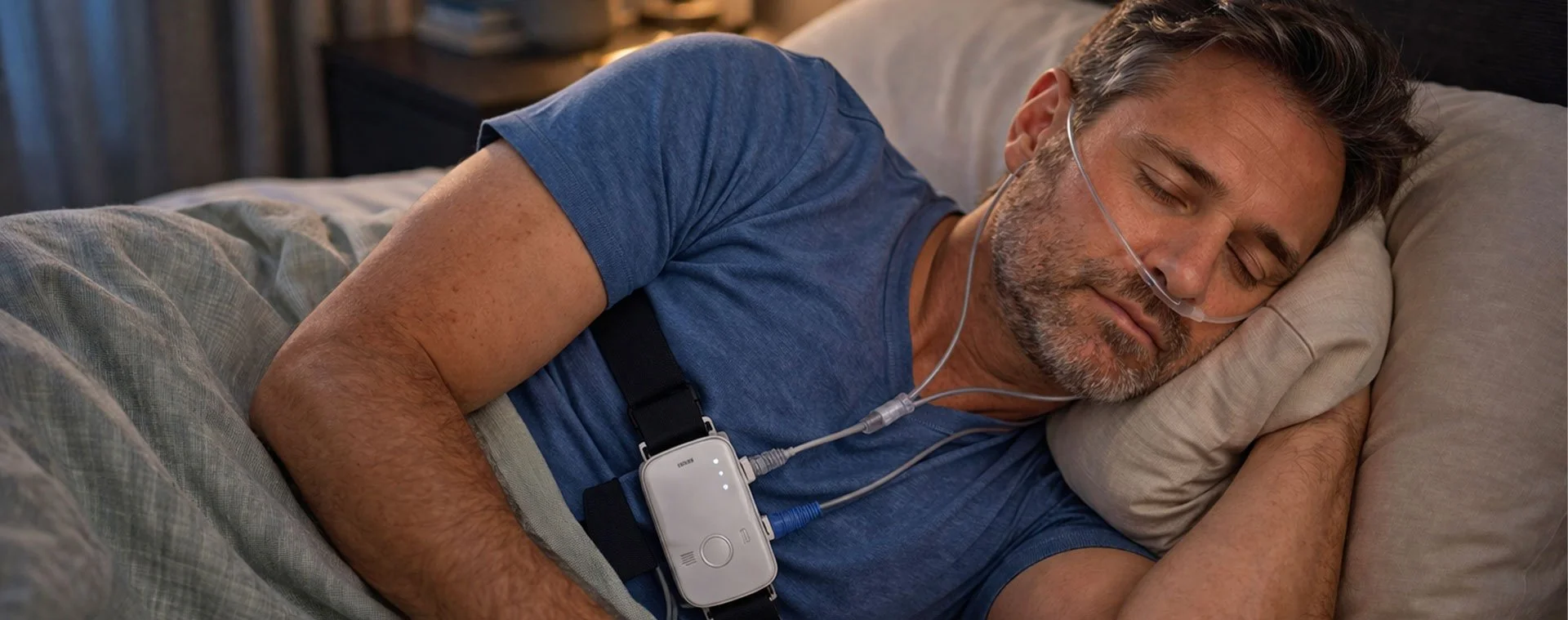
Read MoreIf you think you might have sleep apnea, one of the first questions is: How do I actually get tested?
For many people, the idea of a sleep lab can feel inconvenient or intimidating. The good news is that testing has become much more accessible.
Today, many patients can evaluate their sleep using a home sleep test…
Read MoreIf you’ve been experiencing symptoms like snoring, fatigue, or disrupted sleep, you may be wondering:
Is this something that will resolve on its own?
It’s a common question—and an understandable one. Many health issues improve with time or lifestyle changes, so it’s natural to hope that sleep apnea might…
Read MoreSnoring is extremely common. In fact, many people experience it at some point—especially during periods of stress, illness, or poor sleep.
But when snoring becomes loud, frequent, or persistent, it may be a sign of something more than just a nuisance.
Understanding what causes snoring—and when it might indicate a deeper issue—can help…
Read MoreIf you’re getting what should be a full night of sleep but still feel exhausted, you’re not alone.
Many people assume that fatigue is simply a result of stress, a busy schedule, or not getting enough hours of sleep. But in some cases, the issue isn’t how long you sleep—it’s how well you sleep.
When sleep isn’t restorative, your body and brain don’t…
Read MoreSleep apnea often develops gradually, making it easy to overlook the early signs.
You might feel a little more tired than usual, have trouble concentrating, or hear that you snore—but it doesn’t always feel serious.
The challenge is that many of the most important symptoms happen…
Read MoreMany people live with sleep apnea for years without realizing it.
Because the symptoms often develop gradually—and many occur during sleep—it’s easy to dismiss them as normal or unrelated. You might assume you’re just tired, stressed, or not sleeping well.
But if your sleep is consistently disrupted, your body may be trying…
Read More